Rhino Send your load sheet

Built heavy.
Runs cold.

Rhino designs, builds and commissions industrial cold storage on ammonia, from the load study to the day the room holds temperature with product inside it.

+5 to −35 °CRoom temperatures we design to
R717 · R744Ammonia and CO₂, no HFC retrofits
250 – 20,000Pallet positions per project
One scopeDesign, build, commission, maintain

Start your load sheet

Four answers gives you an indicative plant size. It is a starting point for a conversation, not a design.

3,000
TR indicative refrigeration load

Room volume
Refrigerant
Absorbed power
Energy, per year
Send this load sheet

Indicative only, ±20%. Assumes 150 mm PUF panel, standard warehouse height, no product freezing load beyond the turnover selected. Energy at Rs 9.00/kWh, 18 h/day, 330 days . A real number needs a site survey and your product data.

What we build

Six room types cover most of what walks in the door. Anything outside this list still starts the same way: a survey and a load study.

+2 to +5 °C

Chilled warehouse

Fruit, vegetables, dairy and pharma holding. Humidity control matters more here than raw capacity. The wrong coil selection dries product out.

Typical size
500 – 6,000 pallets
Refrigerant
R717 / R744
Coils
Low ΔT, high RH
−18 to −22 °C

Frozen storage

The workhorse. Meat, seafood, frozen ready-to-eat, ice cream holding. Two-stage ammonia, flooded coils, hot gas defrost on a schedule that suits your shift pattern.

Typical size
1,000 – 20,000 pallets
Refrigerant
R717, two stage
Defrost
Hot gas
−35 °C

Blast freezer

Sized on tonnes per batch and core temperature, not on room volume. Tell us the product, the incoming temperature and the batch window, and the plant follows from that.

Typical batch
2 – 30 T / 12 h
Refrigerant
R717, two stage
Air
High velocity
+12 to +16 °C

Ripening chambers

Banana, mango and avocado. Ethylene dosing, controlled ramp, tight air distribution so the top pallet ripens like the bottom one.

Typical size
4 – 24 chambers
Control
Recipe based
Air change
Fresh air cycle
+2 to +4 °C

Potato and onion stores

Long-hold agricultural storage where running cost decides whether the season was worth it. Designed around a low specific power and a simple plant your team can actually operate.

Typical size
2,000 – 10,000 T
Refrigerant
R717
Focus
kWh per tonne
−22 °C

Multi-temperature distribution

One building, several set points, one machine room. Common for QSR and 3PL: ambient dock, chilled pick face, frozen bulk, all on a single ammonia plant with shared standby.

Zones
3 – 8 typical
Refrigerant
R717 central
Docks
Sealed, levelled

How a project runs

Six stages, one contractor, one handover date. The durations below are typical for a 3,000-pallet frozen store and move with scope .

Site survey

We measure the plot, the power, the water and the access before we quote anything.

1 – 2 weeks

Load study

Product, throughput, ambient and insulation become a heat load and a machine selection.

2 weeks

Design and approval

P&ID, GA, panel schematics, civil interface drawings. Your consultant signs before steel is cut.

3 – 4 weeks

Fabrication

Vessels, skids and panels built and tested in the shop, not improvised on your site.

8 – 12 weeks

Erection

Panels, piping, insulation, cabling, controls. Progress reported weekly against the same bar chart you signed.

6 – 10 weeks

Commissioning

Charge, pull-down test, performance report, operator training, then handover and the AMC.

2 – 3 weeks

What you get at handover

A signed commissioning report with the measured pull-down curve, as-built drawings, the refrigerant charge log, IBR documentation where applicable, an operator manual in the language your team reads, and a spares list with lead times against each line.

What happens after

An annual maintenance contract with a fixed visit schedule, oil and filter changes planned around your low season, and a named engineer who has been inside your plant room. Breakdown response committed in hours, not "at the earliest" .

Why we build on ammonia

Not ideology. For a cold store above roughly 50 TR, ammonia wins on running cost and on the refrigerant bill you will still be paying in 2040.

CriteriaAmmonia · R717CO₂ · R744HFC · R404A / R507
Efficiency at −25 °C evaporatingBest in classGood, better in cold climatesLower, worsens with ambient
Global warming potential013,900+
Ozone depletion000
Refrigerant cost per kgLowestLowHigh and rising with phase-down
Phase-down riskNoneNoneKigali schedule applies
Leak detectionDetectable by smell well below harmful levelsOdourless, needs sensorsOdourless, needs sensors
Toxicity and handlingToxic. Needs a designed machine room, detection, ventilation and trained operatorsAsphyxiant at high concentration, high pressureLow toxicity
Best fitCold stores above ~50 TR, ice plants, process coolingLow-charge, cascade low stage, retail-adjacentSmall rooms where a machine room isn't viable

The honest caveat

Ammonia is toxic and it is regulated. It needs a properly built machine room, gas detection, emergency ventilation, a scrubber or water curtain where the charge warrants it, and operators who have been trained rather than told. If your site cannot support that, we will say so and design a CO₂ or low-charge system instead. We would rather lose the enquiry than hand over a plant your team cannot run safely.

Compliance we work to

Pressure vessels fabricated and certified under IBR where applicable. Machine room design, ammonia detection and ventilation to the relevant Indian standards. Statutory approvals coordinated as part of the scope, not left with you.

The plant is 20% of the cost. The power bill is the rest.

Over fifteen years a cold store spends far more on electricity than it ever spent on the equipment. So we quote specific power alongside capacity, and we hold ourselves to it at commissioning.

Typical specific power for a −22 °C store, 40 °C ambient. Lower is better.

Ammonia, two stage
0.95 kW/TR
Ammonia, single stage
1.20 kW/TR
CO₂ cascade
1.10 kW/TR
HFC condensing unit
1.55 kW/TR

Indicative ranges at design conditions . Real numbers depend on condensing temperature, part-load hours and how the plant is actually operated.

Where the savings actually come from

Not from one clever component. From four unglamorous decisions taken at design stage: a condenser sized for your worst week rather than an average day, floating head pressure control, VFDs where the load genuinely varies, and a defrost schedule matched to your loading pattern instead of a fixed timer.

On a 3,000-pallet frozen store, the gap between a carelessly specified plant and a carefully specified one runs to several lakh rupees a year . That gap does not appear in the quotation. It appears every month for fifteen years.

Projects

Project profiles showing capacity, plant configuration, operating temperatures and commissioning performance.

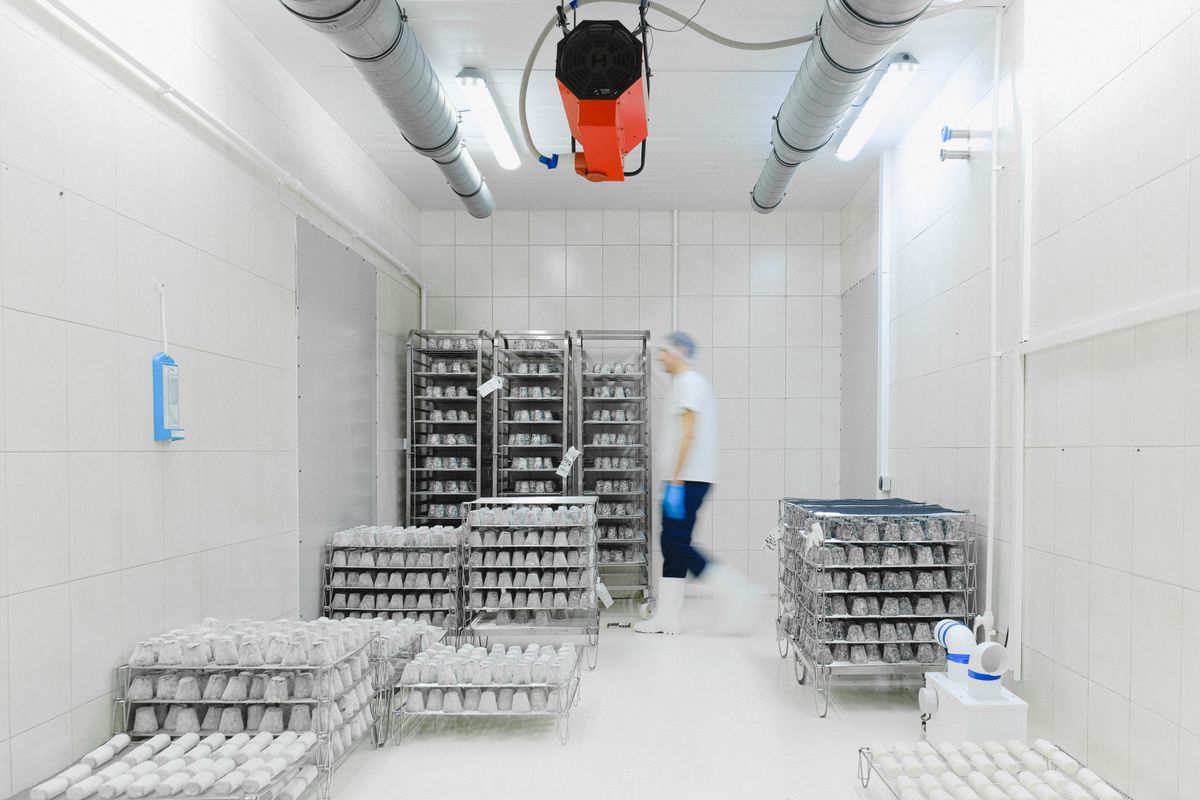
Cold storage facility with organized industrial shelving

Seafood export terminal

Coastal Gujarat · commissioned 2024

Capacity
4,200 pallets
Plant
310 TR, R717
Rooms
−22 °C + blast
Pull-down
14 h to −18 °C
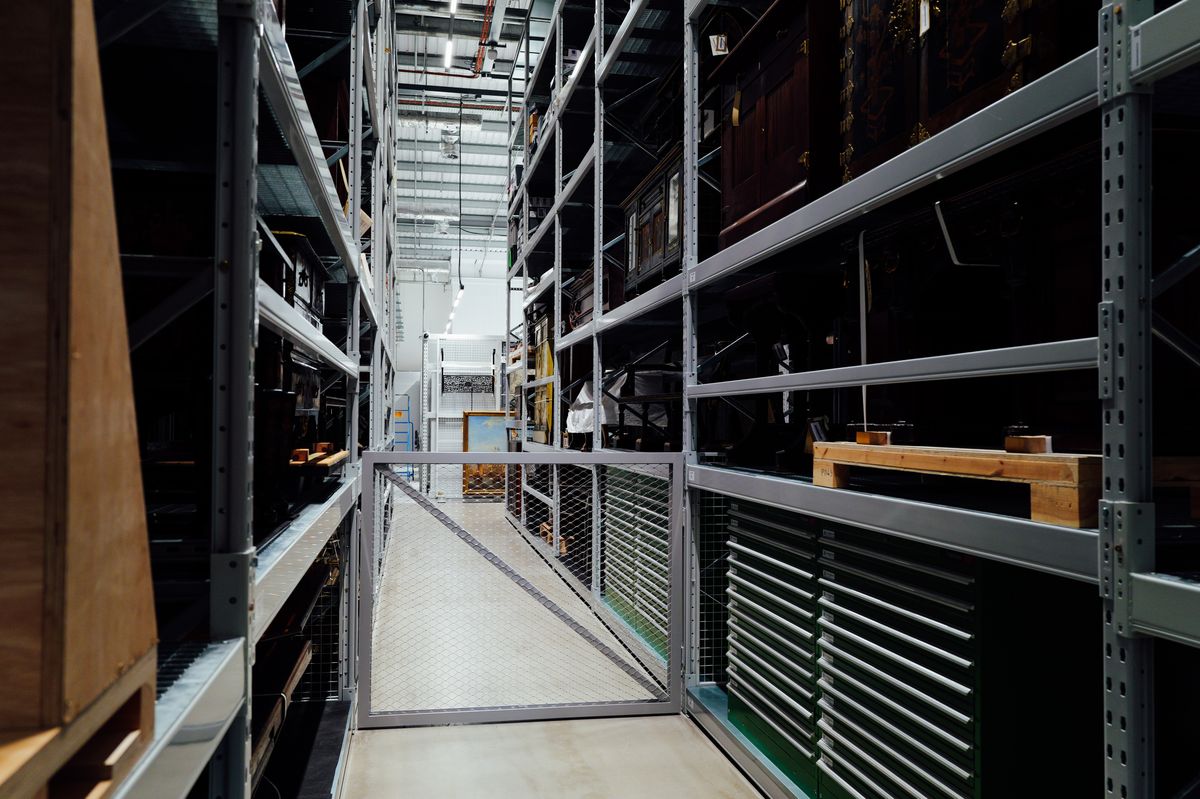
Industrial warehouse interior with organized storage infrastructure

Dairy distribution hub

Maharashtra · commissioned 2023

Capacity
2,600 pallets
Plant
185 TR, R717
Rooms
+4 °C and −20 °C
Uptime
99.4% year one
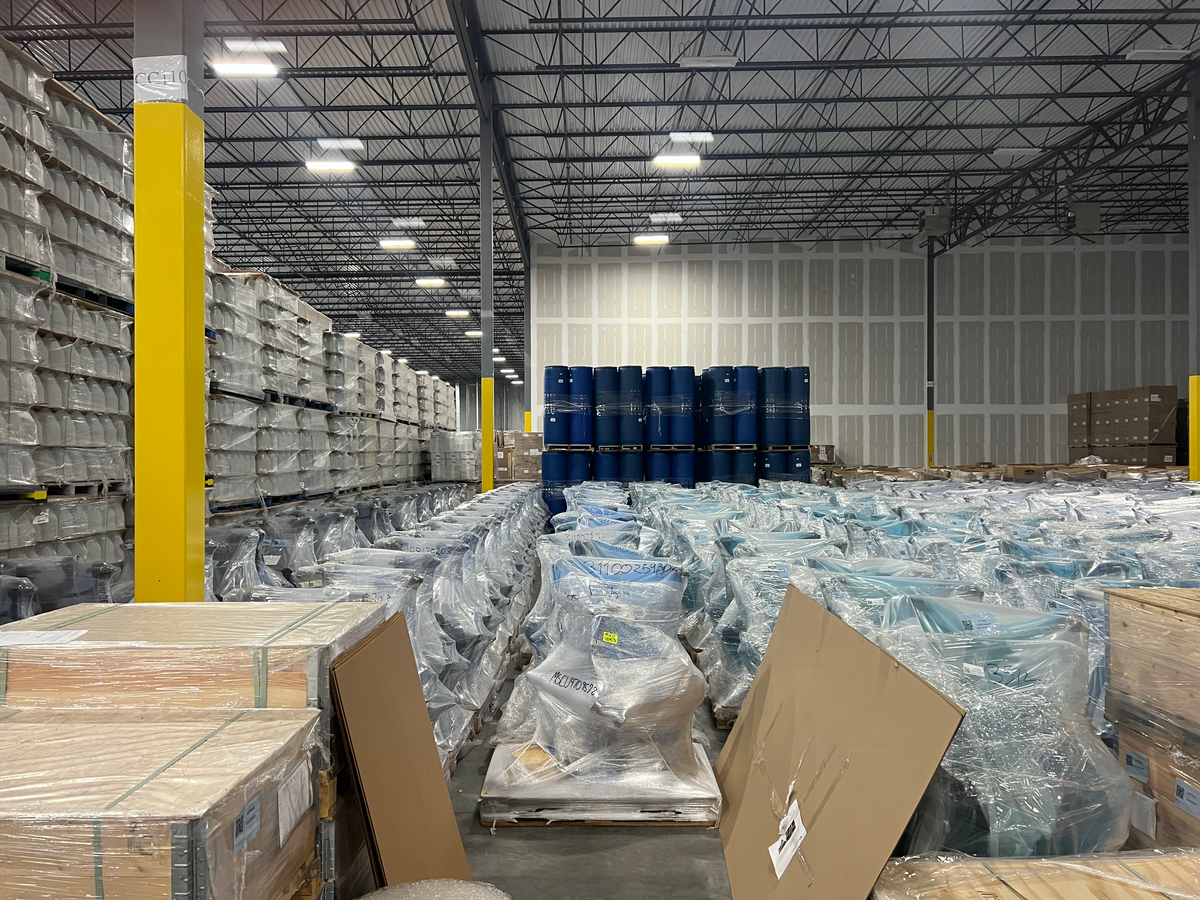
Large industrial warehouse with palletized goods in storage

QSR central kitchen

NCR · commissioned 2025

Capacity
1,400 pallets
Plant
120 TR, R717
Zones
5 temperatures
Standby
N+1 compressors

Questions we get in the first meeting

What does a cold store cost per pallet?

Anyone who answers that without seeing your site is guessing. The refrigeration plant is one line in a project that also includes civil work, insulated panels, racking, dock equipment and power infrastructure, and the split moves enormously with temperature and turnover. What we can do quickly is give you an indicative plant size from the load sheet above, and a budget range within a week of a survey.

Is ammonia safe next to a food processing area?

Yes, when the machine room is designed for it. That means a separate, ventilated room, gas detection wired to the plant trip, emergency ventilation, no ammonia lines routed through occupied space where it can be avoided, and secondary glycol or CO₂ loops where it cannot. Thousands of Indian food plants run on ammonia. The failures are almost always maintenance and training failures, not refrigerant failures, which is why the AMC is part of our scope rather than an afterthought.

How long from order to a room holding temperature?

For a 3,000-pallet frozen store, typically 20 to 28 weeks from a signed order, assuming civil work runs in parallel and is ready when we need it. Fabrication is the long pole. We publish a bar chart at design stage and report against that same chart every week .

Can you take over a plant someone else built?

Often, yes. We survey it first and tell you honestly what we found, including whether the right answer is a repair, a retrofit or a replacement. If the existing plant is sound we will say that too, even though it is the smaller job.

What about power cuts?

A well-built frozen room holds temperature for hours on thermal mass alone, and that buffer is part of the design rather than luck. Beyond it you need generator backup sized for the plant, and a sequencing scheme so compressors restart in a controlled order instead of all at once. We size and specify both as part of the scope.

Do you help with subsidy and financing paperwork?

We provide the technical documentation, drawings and cost break-up that cold chain subsidy and bank applications ask for. We are not a consultancy and we do not process applications on your behalf. Scheme eligibility and current terms should be confirmed with the relevant authority .

Send your load sheet

Fill what you know and leave the rest. An engineer reads every one of these. You will get a reply from a person, not an auto-responder.

Send on WhatsApp

Your load sheet so far

Or just call

Phone +91 00000 00000
Email projects@rhino.example
Works Mumbai, Maharashtra

Talk to an engineer